Refresh loader

Category : Cloud Charges

Home > Archive for Cloud Charges

How Do FinTech Apps Handle 50k Active Users? Ultimate Guide

Handling 50000 Concurrent Users: Architectural Scaling Playbook for Peak Sale Events

Handling 50000 concurrent users is a real challenge for Indian D2C and FinTech apps. Peak sale events bring sudden traffic spikes that can crash unprepared systems. This playbook explains how to prepare your architecture for that pressure.

This guide is written for CTOs and Heads of Engineering. You will learn practical strategies for scaling infrastructure before traffic surges hit. Every section focuses on real solutions, not abstract theory.

Peak sale readiness is not just an engineering task. It affects revenue, brand reputation, and customer loyalty. A single outage during a major sale can undo months of marketing effort in minutes.

Why Peak Sale Events Break Unprepared Systems

Indian D2C and FinTech apps often see huge traffic during flash sales. A normal day might bring a few thousand users. But a big sale event can push that number to fifty thousand users within minutes.

This sudden spike stresses every layer of the system. Databases slow down, servers run out of memory, and payment gateways queue up requests. Without proper scaling, checkout failures increase and customer trust drops fast.

Also, Indian consumers expect instant results. A slow app during a sale event pushes users toward competitors right away. So, handling 50000 concurrent users successfully becomes a direct revenue concern, not just a technical one.

Peak events also test payment systems specifically. FinTech apps must process transactions accurately even under heavy load. A single failed transaction during high traffic can damage user confidence for months.

Social media amplifies these problems quickly. A screenshot of a broken checkout page spreads fast during a major sale. So, engineering failures often become public relations issues within hours.

Competitor pressure adds one more layer of urgency. In India’s crowded D2C and FinTech markets, users rarely wait for a slow app to recover. They simply switch to a competitor offering a smoother experience.

Core Architectural Principles for Scale Users

The first principle is horizontal scaling. Instead of relying on one powerful server, distribute traffic across many smaller servers. This approach handles sudden spikes far better than a single large machine.

Load balancers play a key role here. They distribute incoming requests evenly across available servers. As a result, no single server becomes overwhelmed while others sit idle.

Caching also matters enormously. Frequently requested data, such as product listings, should be cached close to the user. This reduces database load and speeds up response times a lot during traffic spikes.

Similarly, database read replicas help distribute query load. Instead of every request hitting the main database, read replicas handle most read operations. This keeps the primary database free for key write operations like order processing.

Microservices architecture offers one more advantage. Breaking a monolithic app into smaller services allows each service to scale independently. For example, the checkout service can scale separately from the product browsing service.

Queue-based systems also protect key operations. Instead of processing every request instantly, queues manage requests in order. This prevents sudden spikes from overwhelming payment or inventory systems.

Rate-aware API design also helps stability at scale. Set clear limits on how often each client can call an endpoint. This stops one source from overloading shared resources during a surge.

Stateless application design further strengthens horizontal scaling. When servers do not store session data locally, any server can handle any request. This flexibility makes it much easier to add or remove capacity on demand.

Preparing Infrastructure Before Peak Sale Events for Users

Load testing should begin weeks before any major sale event. Simulate 50000 concurrent users using realistic traffic patterns. This reveals weak points before real customers experience them.

Auto-scaling configuration deserves careful attention too. Cloud infrastructure should on its own add servers as traffic increases. However, auto-scaling needs proper thresholds to react quickly enough during sudden spikes.

Database optimization is equally important. Indexing, query optimization, and connection pooling all reduce strain during high traffic. Even small improvements here can prevent major slowdowns later.

So, many engineering teams also prepare fallback systems. If the primary payment gateway slows down, a backup gateway can handle overflow transactions. This redundancy protects revenue during key moments.

Content delivery networks help too, especially for image-heavy D2C platforms. Serving static content from servers close to users reduces load on core infrastructure. This improves speed while also reducing pressure on backend systems.

Last, monitoring tools must be active before the event begins. Real-time dashboards help engineering teams spot problems early. Quick detection allows faster response, which often prevents small issues from becoming major outages.

Chaos testing is worth considering for mature engineering teams. Deliberately failing individual servers or services during a controlled test reveals hidden weaknesses. This practice builds confidence that the system can survive real failures gracefully.

Runbooks also deserve preparation well in advance. A clear, written response plan for common failure scenarios saves precious minutes during an actual incident. Teams under pressure perform better when they follow a rehearsed process.

Handling Traffic During the Event Itself

Even with strong preparation, live monitoring remains essential during peak hours. Engineering teams should watch server health, response times, and error rates continuously throughout the sale window.

Rate limiting can protect systems from unexpected abuse or bot traffic. Legitimate customers should always take priority over automated scripts attempting to exploit flash sale pricing.

Graceful degradation is one more important strategy. If certain features slow down, non-essential elements can be temporarily simplified. For example, product recommendations might pause while checkout remains fully functional.

Communication between engineering and business teams also matters greatly. If traffic exceeds expectations, business teams need real-time updates to make quick decisions about promotions or messaging.

A dedicated incident channel, staffed throughout the sale window, keeps everyone aligned. This avoids confusion when multiple teams need to coordinate a fast response to unexpected issues.

After the event, a thorough review helps improve future scaling efforts. Analyze what worked well and what caused delays. This feedback loop strengthens your architecture for the next peak sale event.

Choosing the Right Cloud Infrastructure Partner

Not every team can build and run this level of scale alone. Many Indian D2C and FinTech firms work with expert infrastructure partners for big sale events.

A strong partner brings experience from multiple peak events across different industries. This experience often uncovers risks that an internal team might overlook during initial planning.

Cost predictability also matters when choosing a partner. Ask for clear pricing around auto-scaling and burst capacity. Surprise infrastructure bills after a successful sale event can quickly erode profit margins.

In the end, the goal is a system that scales quietly in the background. Customers should never notice the engineering effort behind a smooth, fast checkout experience during your busiest hours.

How Do FinTech Apps Handle 50k Active Users

Conclusion

Handling 50000 concurrent users requires careful architectural planning well before any sale event begins. Horizontal scaling, caching, load balancing, and queue systems form the foundation of a resilient platform.

Preparation matters just as much as architecture. Load testing, auto-scaling setup, and live monitoring all cut the risk of failure during key traffic spikes.

Indian D2C and FinTech apps that invest in scalable architecture protect both revenue and customer trust. A well-prepared system turns peak sale events into growth opportunities instead of technical emergencies.

Ready to build infrastructure that handles massive scale with confidence? Build your authority with Ouriken Consulting and prepare your platform for the next major traffic surge.

Frequently Asked Questions

1. What does handling 50000 concurrent users actually require?

It requires horizontal scaling, load balancing, caching, and thorough load testing before peak traffic events occur.

2. How early should load testing begin before a sale event?

Start load testing several weeks in advance. This gives engineering teams time to fix weak points safely.

3. Why do FinTech apps need extra scaling precautions?

Payment accuracy matters more than speed alone. Failed transactions during high traffic damage user trust a lot.

4. What is the role of auto-scaling in handling traffic spikes?

Auto-scaling adds server capacity on its own as traffic grows. Proper thresholds ensure it reacts quickly enough during sudden surges.

5. How can teams reduce checkout failures during peak sales?

Use queue-based processing, backup payment gateways, and database optimization to keep checkout systems stable under pressure.

Also Read:

How Should CEOs Fix a Late App Launch? Ultimate Guide

How Does Technical Debt Work for Founders? Ultimate Guide


How Do You Know If You Need a Virtual CTO? Complete Guide

The Ultimate Checklist: Is Your Business Ready for a Virtual CTO?

Introduction

Growing a business without strong technical leadership is risky. Many founders delay hiring a full-time CTO because of cost. Meanwhile, technology decisions pile up without expert guidance.

A Virtual CTO fills this gap. This role offers experienced leadership on a flexible, part-time basis. Companies get strategic direction without the cost of a full executive salary.

This checklist helps you decide if a Virtual CTO fits your business right now. You will learn the key signs, common mistakes, and questions to ask before making this decision.

By working through each section, you will gain a clear, honest view of your current technology gaps. That clarity makes the decision to hire, or wait, much easier to make with confidence.

Signs Your Business Needs a Virtual CTO

The first sign is a lack of technical direction. If your team builds products without a clear technology road map, problems multiply quickly. A Virtual CTO brings structure to this chaos.

Another sign is founder overload. Many non-technical founders try to manage engineering decisions themselves. This slows growth and increases the risk of costly mistakes.

Rapid growth also creates pressure. As customer numbers rise, systems need to scale smoothly. Without expert oversight, technical debt builds up fast and becomes expensive to fix later.

Finally, watch for repeated project delays. If development timelines keep slipping, this often points to weak technical leadership rather than a weak team.

Security blind spots are another red flag. Without a leader focused on risk, vulnerabilities often go unnoticed until a breach happens. By then, the cost of fixing the problem is much higher.

Vendor sprawl can also signal the need for oversight. Businesses that accumulate disconnected tools and platforms over time usually lack someone responsible for a coherent technology strategy.

Difficulty attracting technical talent is another common indicator. Skilled engineers want strong leadership above them. Without it, hiring becomes harder and turnover often rises within the technical team.

Watch also for a growing gap between business goals and what the technology can actually support. When sales promises outpace product capability, a Virtual CTO can help realign expectations quickly.

Recurring downtime or performance issues are worth flagging too. If customers regularly experience outages or slow load times, this usually points to deeper architectural problems that need expert attention.

Finally, pay attention to how technology decisions get made today. If choices happen reactively, without any long-term plan behind them, that pattern alone justifies bringing in dedicated leadership soon.

Track how much time leadership spends firefighting technical issues versus planning ahead. A high ratio of reactive work is one of the clearest signals that dedicated leadership is overdue.

Key Questions to Ask Before Hiring a Virtual CTO

Start by asking what specific problems you need solved. Do you need help with architecture, security, hiring, or vendor selection? Clear answers help you find the right fit.

Next, consider your budget realistically. A Virtual CTO costs far less than a full-time executive. However, you still need a clear budget range before starting conversations.

Ask how involved you want this person to be. Some businesses need weekly strategic input. Others need daily hands-on guidance during a major product launch.

Finally, ask about industry experience. A Virtual CTO with relevant background understands your challenges faster. This experience often shortens the time needed to see real results.

Ask about communication style as well. Some Virtual CTOs prefer detailed written reports, while others favor regular calls. Choosing a style that fits your team improves collaboration from the very first week.

Request references from past clients too. Speaking with businesses of similar size and industry gives you honest insight into how a candidate performs under real pressure.

Clarify decision-making authority upfront. Some businesses want a Virtual CTO to advise only, while others want them to make final technical calls. Both models work, but the expectation needs to be clear from the start.

Discuss availability during emergencies as well. Systems fail at inconvenient times. Knowing how quickly your Virtual CTO can respond during a crisis helps you plan for worst-case scenarios calmly.

What a Virtual CTO Actually Does

A Virtual CTO builds and manages your technology strategy. This includes setting priorities, choosing tools, and aligning tech decisions with business goals.

They also mentor internal teams. Many startups have talented developers who lack senior guidance. A Virtual CTO provides that missing leadership layer.

Risk management is another core responsibility. This includes security reviews, data protection planning, and vendor evaluation. These tasks often get ignored without dedicated oversight.

Additionally, a Virtual CTO supports investor conversations. Many investors want confidence in your technical foundation. Strong leadership here can directly influence funding outcomes.

Vendor and contract negotiations also fall under this role. A Virtual CTO can evaluate software licenses, hosting agreements, and development contracts to make sure the business gets fair value.

Hiring support rounds out the role too. Many Virtual CTOs help interview and onboard technical staff, ensuring new hires match both the skill level and culture the business actually needs.

Documentation and process building matter as well. A good Virtual CTO creates clear standards for code reviews, deployments, and security practices. These processes outlast any single project and protect the business long term.

They also serve as a translator between technical and non-technical stakeholders. This skill alone often prevents miscommunication that would otherwise derail product timelines or budget approvals.

How to Evaluate Virtual CTO Readiness in Your Business

Start with an honest audit of your current technology stack. List outdated systems, security gaps, and scaling limitations. This audit reveals how urgent the need really is.

Review your team’s current skill gaps next. If nobody owns architecture decisions or long-term planning, this is a strong signal that outside leadership would help.

Consider your growth trajectory as well. Businesses planning to scale quickly benefit most from early Virtual CTO involvement. Waiting too long often means fixing bigger, costlier problems later.

Finally, weigh cost against risk. A Virtual CTO’s fee is usually smaller than the cost of a single major technical failure. This makes the investment easier to justify for most growing businesses.

Talk to your team as part of this evaluation. Developers and product managers often see gaps that founders miss. Their input gives a more complete picture of true readiness.

Set a trial period if you remain unsure. Many Virtual CTOs offer a short initial engagement. This lets both sides confirm the fit before committing to a longer-term arrangement.

Map out a rough twelve-month technology road map before you begin. Even a simple outline helps a new Virtual CTO understand your priorities and start contributing value from the very first meeting.

Revisit your readiness assessment every quarter. Business needs change quickly, and a checklist completed six months ago may no longer reflect your company’s current technical reality.

The ultimate checklist: Is your business ready for a Virtual CTO?

Conclusion

A Virtual CTO offers experienced leadership without the cost of a full-time hire. This checklist helps you spot the signs, ask the right questions, and evaluate true readiness.

If your business faces technical delays, founder overload, or unclear strategy, the time to act is now. Waiting longer usually increases both cost and risk.

Businesses that bring in the right guidance early often scale faster and avoid painful, expensive rebuilds. The sooner the gap gets addressed, the smaller the eventual fix tends to be.

Technology decisions made today shape how easily your business grows tomorrow. A short conversation now can save months of rework later, especially as customer demand and system complexity increase.

Ready to strengthen your technology leadership? Build your authority with ouriken Consulting and gain the strategic guidance your business needs to scale with confidence.

Frequently Asked Questions

1. What does a Virtual CTO do differently from a full-time CTO?

A Virtual CTO provides the same strategic leadership on a flexible, part-time basis. This makes expert guidance affordable for businesses not ready for a full-time hire.

2. How much does a Virtual CTO typically cost?

Costs vary based on hours and scope, but a Virtual CTO usually costs significantly less than a full-time executive salary and benefits package.

3. When should a startup hire a Virtual CTO?

Startups should consider a Virtual CTO when facing unclear technology strategy, founder overload, or rapid growth that outpaces current technical leadership.

4. Can a Virtual CTO help with investor meetings?

Yes. A Virtual CTO can strengthen technical credibility during investor conversations, which often improves confidence in the company’s overall readiness.

5. Is a Virtual CTO suitable for non-technical founders?

Absolutely. Non-technical founders benefit greatly from a Virtual CTO, since this role translates technical decisions into clear business outcomes.

Also Read:

How Should Growing D2C Brands Handle Payments: Complete Guide

How Does a Virtual CTO Guide Tech Planning? Complete Guide

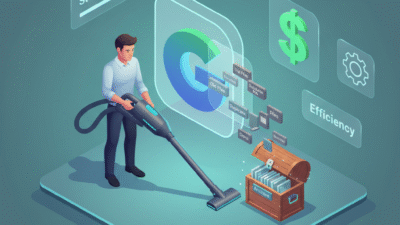
How to reduce Google Drive storage costs in 5 minutes

You must act fast to stop wasting money on unused cloud space in the digital world today. Therefore, you should learn how to reduce Google Drive storage costs with smart file management. Truly, a cluttered drive is a direct drain on your company’s monthly budget. Consequently, you can grow your profit by cleaning up your digital files for 2026.

Many people think that buying more storage is the only way to fix a “Drive Full” alert. But, the reality is that better habits can save you hundreds of dollars every year. Always remember, an organized drive is a strong signal for any search engine. This ensures that your brand stays efficient and your team stays very productive. This approach requires you to audit your files for duplicates and old data today. It helps you build a much more sustainable business for the long term. It makes your daily digital operations feel much more secure and very effective.

Google Drive storage


Finding and Removing High-Storage Leaks

First, you must identify which files are taking up the most space right now. Why does your drive feel full even if you do not have many documents? Clearly, large video files and high-res images are the most common culprits in 2026. Therefore, you must use the built-in storage tools to find these leaks today.

Steps to Identify Heavy Files

Here are several ways to spot storage hogs in your Google account:

  • Quota View: Go to drive.google.com/drive/quota to see files sorted by size.

  • Search Operators: Use larger:10M in Gmail to find emails with big attachments.

  • Media Audit: Look for old webinar recordings or raw video footage you no longer need.

  • Hidden App Data: Check your “Manage Apps” settings for data left by third-party tools.

  • Duplicate Detection: Use tools like Filerev to find 100% identical copies of files.

  • Shared With Me: Remember that files shared with you do not count against your limit.

  • Search Engine Value: Faster file access improves your overall brand efficiency score.

Truly, these steps solve the problem of a full drive in just a few minutes. But, you must also remember to empty your “Trash” folder to permanently free up the space. This keeps your billing accurate and prevents any sudden price hikes for your firm. It creates a very high and professional standard for your daily cloud management.


Mastering Pooled Storage in Google Workspace

So, how do you make the most of the storage you already pay for in 2026? Truly, modern Workspace plans use “Pooled Storage” to share space across your whole team. Consequently, you should learn how to balance the load between heavy and light users. It acts as a direct way to avoid upgrading to a more expensive plan.

Using Pooled Storage to Save Money

Here is how you can manage your team’s space to keep costs low right now:

  1. Storage Limits: Set individual quotas for each user to prevent any one person from hogging space.

  2. Shared Drives: Move project files to Shared Drives so they belong to the team, not a person.

  3. Light User Credit: Use the extra space from light users to cover your heavy content creators.

  4. Retention Policies: Set rules to auto-delete old drafts after a certain number of years.

  5. Ownership Transfers: Transfer files from departing employees to a single archive account.

  6. Annual Audits: Review your total storage use once a year to stay under your plan’s cap.

  7. Trust Rankings: A well-managed workspace helps you keep a top search engine rank.

Furthermore, this improves your search engine performance by showing your firm is smart. It makes your company look very professional and ready for 2026 digital shifts. This ensures that you only pay for the storage your team actually needs. It creates a very fast and clear path for your professional digital success.


Moving Data to Lower-Cost Storage Tiers

The third phase involves finding a cheaper home for files you must keep but rarely use. Clearly, keeping “Cold Data” in your active Google Drive is very expensive today. Therefore, you should use “Google Cloud Storage” for your long-term archives in 2026.

Using Archive Classes for Huge Savings

Firstly, identify project folders that have not been touched in over six months. This allows you to move them to “Coldline” or “Archive” storage classes right away. Secondly, use automation tools to move these files based on their “Last Modified” date.

Furthermore, use transition words in your archive guides to help your team find old files. Also, remember that a lean main drive helps your search engine authority and site speed. Lastly, check if your “Cloud Partner” offers a discount for long-term data storage. Truly, a tiered plan is the best tool for saving money on massive data sets. It allows you to keep every important record without paying the high “Drive” price. This is why top IT admins are moving toward “Lifecycle Management” right now.


Measuring Your Digital Cleanup Success

The fourth phase is where you track if your new habits are actually saving you money. Clearly, you must know if your “Storage Bill” is going down or staying flat in 2026. Therefore, you must use the “Google Admin Reports” to see your trends every month.

Metrics for a Cost-Effective Drive

Firstly, track the “Total Storage Used” to ensure you stay within your plan’s free limit. This helps you avoid “Auto-Upgrade” fees that can double your bill today. Secondly, calculate the “Cost Per Terabyte” to see if your archive strategy is working.

Furthermore, look for any “Inactive Users” who are still taking up a paid license and space. Also, use your data to see if a cleaner drive leads to a higher “Team Productivity” score. Lastly, check your search engine ranking to see if better data health helps your traffic. Truly, a lean path is a journey that leads to a much stronger brand. It turns a messy cost into a series of smart, secure wins for your whole team. This ensures your business stays strong while others face high cloud costs.


Maintaining a Lean Workspace

Finalizing your plan requires you to build a culture of “File Minimalism” in your team. It needs you to set clear rules for naming, storing, and deleting files every single day. Clearly, staying under your storage limit is a team effort for your brand in 2026. Therefore, follow these simple tips to keep your workspace safe and very fast.

Simple Tips for Lifelong Storage Success

Firstly, host a “Digital Cleanup Day” once every six months for your whole staff. This helps everyone find and delete old drafts and large video recordings today. Secondly, encourage your team to use “Shortcuts” instead of making copies of files.

Furthermore, use transition words in your tech updates to keep the message very clear. Also, remind your team that a fast drive helps the company earn more search engine trust. Lastly, check your search engine data to see if your stability helps your web traffic grow. Truly, a safe path is a journey that leads to a much better brand in 2026. It builds a path of profit that lets your whole team grow very fast. This secures your future in the digital world for a long time.


Frequently Asked Questions (FAQs)

Q1: Does Google charge for files in the Trash?

Yes, files in the Trash count against your storage until you empty the folder permanently.

Q2: What is the best way to find my largest Google Drive files?

You can visit drive.google.com/drive/quota to see a list of your files sorted by size.

Q3: Do files in “Shared with me” use my storage space?

No, shared files only count against the storage limit of the person who owns them.

Q4: Can I set storage limits for individual users in my team?

Yes, Google Workspace admins can set specific storage quotas for different users or groups.

Q5: Will deleting my old emails free up Google Drive space?

Yes, because Google Drive, Gmail, and Google Photos all share the same pooled storage.

Also read: How to fix Google Workspace billing issues

How to fix Google Workspace billing issues

You must keep a very close eye on your cloud software costs in the world today. Therefore, you should learn about Google Workspace billing issues and how to avoid extra charges. Truly, small setting errors can lead to a much higher bill at the end of every month. Consequently, you can protect your profits by mastering your billing dashboard for 2026.

Many people think that Google only charges for the specific tools they use every day. But, the reality is that every active user and every byte of extra storage costs real money. Always remember, a lean and efficient workspace is a strong signal for any search engine. This ensures that your brand stays profitable and your digital tools stay very effective. This approach requires you to audit your account for ghost users and hidden add-ons. It helps you build a much more sustainable business for the long term. It makes your daily financial planning feel much more secure and very effective.

Google Workspace


Identifying the Most Common Billing Leaks

First, you must understand why your Google bill might jump suddenly in 2026. Why do some months feel much more expensive than the ones before? Clearly, adding new team members or changing plans can trigger a price hike right away. Therefore, you must identify these common leaks to save your cash today.

Common Reasons for Unexpected Google Workspace Charges

Here are several reasons why your bill might be higher than you expected:

  • Suspended Users: Google still charges for users even if you suspend their access.

  • Prorated Billing: Adding a user for just one day still costs you a partial fee.

  • Storage Overages: Using more than your pooled limit triggers an extra charge.

  • Paid Add-ons: Google Voice or Google Vault add a separate fee per user.

  • Conversion from Trial: Your free trial turns into a paid plan automatically.

  • Plan Upgrades: Moving to a higher tier like Business Plus increases your rate.

  • Search Engine Value: Consistent billing shows search engines your brand is stable.

Truly, these leaks solve the mystery of your rising digital costs in just a few minutes. But, you must also remember that “Archived Users” have a different fee structure in 2026. This keeps your data safe while reducing your monthly spend for people who left. It creates a very high and professional standard for your daily budget management.


Choosing Between Flexible and Annual Plans

So, how do you pick the right payment path to get the best price for 2026? Truly, your choice of plan can change your total cost by over twenty percent. Consequently, you should look at your team size and your long-term goals. It acts as a direct way to lock in lower rates and avoid sudden spikes.

The Best Plan for Your Specific Business Needs

Here is how you can pick the most cost-effective plan right now:

  1. Flexible Plan: Use this if your team size changes often throughout the year.

  2. Annual Plan: Choose this to get a lower price per user for a 1-year deal.

  3. User Audits: Delete any accounts you no longer need to stop the monthly fee.

  4. Pooled Storage: Share your total space across the team to avoid individual caps.

  5. Google Partners: Buy through a reseller to find special deals or discounts.

  6. Billing Alerts: Set up a notification to tell you if your bill hits a certain limit.

  7. Trust Rankings: Managing your costs well helps you keep a high search rank.

Furthermore, this improves your search engine performance by showing your firm is smart. It makes your company look very professional and ready for 2026 market shifts. This ensures that you get the most value for every dollar you spend on tools. It creates a very fast and clear path for your professional digital success.


Solving Storage and Add-on Surprises

The third phase involves looking at the “hidden” extras that can bloat your bill today. Clearly, storage is the biggest culprit for unexpected fees in most modern offices. Therefore, you should use “Google Cloud Storage” for large files to keep your Workspace lean.

Managing Your Data Without the High Cost

Firstly, check your storage limit inside the Admin console every single month in 2026. This allows you to find which users are taking up too much space right away. Secondly, use “Google Groups” to create shared inboxes that do not cost an extra user fee.

Furthermore, turn off any “Auto-Renew” features for add-ons you do not use daily. Also, use transition words in your tech guides to help your staff save space. Lastly, remember that a clean drive helps your search engine authority and site speed. Truly, a lean drive is the best partner for a healthy budget today. It allows you to keep your important files without paying for useless data junk. This is why top admins spend time cleaning their cloud every few months.


Measuring Your Savings and Efficiency

The fourth phase is where you use your data to see if your new rules are working. Clearly, you must know if your “Cost Per User” is going down or up in 2026. Therefore, you must review your “Billing Trends” report at the end of every quarter.

Metrics for a Lean Digital Workspace

Firstly, track the “Active User Count” to ensure you only pay for people who work. This helps you see if your HR team is deleting old accounts fast enough. Secondly, calculate the “Average Storage Per User” to find any data hogs today.

Furthermore, look for any “Duplicate Licenses” if you have more than one domain. Also, use your data to see if a lower bill leads to more “Profit” for you. Lastly, check your search engine ranking to see if site health helps your traffic. Truly, a lean path is a journey that leads to a much stronger brand. It turns a messy cost into a series of smart, secure wins for your whole team. This ensures your business stays strong while others face high cloud bills.


Leading the Way in Cloud Budgeting

Finalizing your plan requires you to stay ahead of Google’s pricing changes for 2026. It needs you to review your bills and update your settings every single month. Clearly, staying under budget is a team effort for your whole company. Therefore, follow these simple tips to keep your workspace safe and very fast.

Simple Tips for Lifelong Budget Success

Firstly, run a “Billing Audit” once every three months to find any new leaks. This helps you stay one step ahead of any price hikes or new user fees today. Secondly, encourage your team to delete old files and large video recordings.

Furthermore, use transition words in your finance emails to keep the message very clear. Also, remind your team that saving money helps the company earn more search engine trust. Lastly, check your search engine data to see if your stability helps your web traffic grow. Truly, a safe path is a journey that leads to a much better brand in 2026. It builds a path of profit that lets your whole team grow very fast. This secures your future in the digital world for a long time.


Frequently Asked Questions (FAQs)

Q1: Does Google charge for suspended users?

Yes, Google still bills you for suspended accounts because they still take up storage.

Q2: What is the cheapest Google Workspace plan for 2026?

The “Business Starter” plan is usually the cheapest, especially with an annual deal.

Q3: How do I stop getting charged for a user who left?

You must delete the user account entirely or move them to a free archive tier.

Q4: Can I use one license for multiple people?

No, every person needs their own license, but you can use “Aliases” for extra emails.

Q5: Does my billing plan affect my website’s SEO?

Directly no, but a secure and professional email setup helps your overall brand trust.

Also Read: How to Share Google Drive Files with External Clients Safely