Refresh loader

Category : Tech Strategy

Home > Archive for Tech Strategy

How to Use VCTO Insights for Software Ownership

Understanding the Hidden Fees of Tech

Software costs more than just the first price you see. Many founders think a one time buy is enough for their firm. However, the true cost grows over many years of use. You must pay for updates and fixes and safety checks too. Because of this, you need a vcto to look at the full picture. A vcto knows that hidden fees can hurt your cash flow. They help you see these costs before you sign any deal. Therefore, you stay safe from bad surprises in your tech budget.

Lifecycle pricing is a core part of a smart business plan. Specifically, it tracks every cent you spend from start to finish. If you do not plan for this, your tech will become a burden. Consequently, your growth might slow down as bills pile up. A vcto acts as your guide through these complex financial paths. They make sure you pick tools that stay cheap to run over time. In addition, they stop you from buying features you will never use. Thus, a vcto saves you money while keeping your systems strong.

How to Use VCTO Insights for Software Ownership

Planning for Long Term Tech Health

A vcto looks at how your software will age in the future. Software is like a car that needs regular oil changes to run well. If you ignore it, the cost to fix it later will be huge. For this reason, a vcto builds a plan for steady updates and maintenance. They ensure your team has the right tools to keep things fast. Likewise, they watch for new tech that might be cheaper and better. By doing this, they keep your firm at the top of the market.

Transition words help us follow the logic of a good tech plan. For example, a vcto links your tech choices to your actual profit. They do not just look at code; they look at your bank account too and helps you to decide when to build your own tools or buy them. This choice is vital for your long term success and stability. Furthermore, a vcto helps you negotiate better deals with your tech vendors. They know the market rates and the tricks that firms use. As a result, you get the best value for every dollar you spend.

Managing the Risk of Old Systems

Old software can be a major risk to your startup safety. When a tool is old, it becomes easy for hackers to get inside. A vcto tracks the age of all your systems to prevent this. Therefore, they tell you exactly when it is time to move to a new tool. This move protects your data and your customer trust at all times. Also, old tech is often very slow and hard for your staff to use. So, a vcto improves your team output by giving them fresh tools.

Replacing a system is a big task that needs a clear head. He manages this change so it does not stop your work. They pick a path that has the least risk for your daily tasks. In addition, they train your team on the new software so they are ready. This makes the transition smooth and fast for everyone in the firm. Truly, he is the best person to lead your firm through tech changes. They turn a risky task into a sure win for your brand. You stay safe and fast with a vcto at your side.

Scaling Your Budget for Future Growth

As you get more users, your tech costs will naturally go up. A vcto prepares your budget for this growth so you are not shocked. They use data to predict how much more you will pay next year. Because of this, you can raise money with a clear and honest plan. Investors love to see that you know your future costs so well. Similarly, he looks for ways to lower costs as you get bigger. They might move you to a bulk plan that saves you a lot of cash.

He ensures that your tech does not eat all your profits. They keep a close eye on your cloud bills and your seat fees. For instance, they might find that you are paying for staff who left the firm. By cleaning these lists, they save you money in a single day. Moreover, they help you set a tech roadmap that fits your real income. Thus, your startup stays healthy and ready for a big exit or a merger. A vcto is the key to a lean and mean tech machine. They make your tech work for you, not against you.


Frequently Asked Questions

1 What is the lifecycle cost of a software tool?

It is the total sum of the buy price plus the cost of setup and support. A vcto calculates this for you to help you pick the best deal.

2 Why is a vcto better at pricing than a dev?

A dev looks at how code works, but a vcto looks at the business side too. They understand how tech costs impact your total profit over time.

3 How does a vcto find hidden tech fees?

They read the fine print in contracts that most people skip over. A vcto knows which vendors tend to raise prices after the first year of use.

4 Can a vcto help me move to free software?

Yes, if a free tool is safe and fits your needs, a vcto will suggest it. They always aim to give you the most value for your tech spend.

5 When should I ask a vcto to check my tech costs?

You should do this at least once every six months to stay safe. A vcto can find new ways to save you money as the market changes quickly.

Read More:

How a vcto Prevents Costly Technical Mistakes: Full Guide

The Right Time to Hire a vcto for Your Technology Roadmap

The vcto Hiring Checklist: Finding the Right Tech Partner

Hiring a vcto is a critical decision that can either accelerate your startup’s growth or trap you in technical debt for years. In 2026, the demand for flexible technical leadership is at an all-time high, but so is the variability in service quality. You must treat this selection process with the same diligence as a full-time executive search. Therefore, you must use precise questioning to uncover their true strategic alignment and technical breadth.

This guide outlines five key questions to ask potential vcto candidates to ensure they are the right fit for your vision.

Interviewing a vcto for Long-Term Product Success


Understanding the Strategic Context

First, you should establish a clear understanding of what you need right now. A great vcto doesn’t just manage code; they align technology with your primary business goals. Because startups go through distinct phases, the leadership you need today might differ from what you require next year.

Therefore, start with a question that tests their ability to prioritize your immediate challenges.

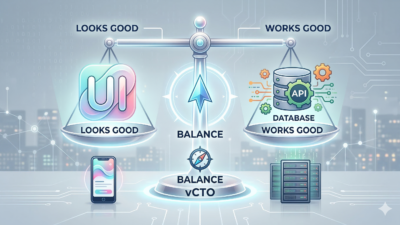
Question 1: How Do You Distinguish “Looks Good” vs “Works Good” in Your Technology Roadmap?

This question directly addresses a common trap for non-technical founders: a pretty product that cannot scale. For instance, a beautifully designed application that crashes frequently can permanently damage your brand trust. Consequently, you need a vcto who can manage the necessary compromises between form and function.

A strong candidate should explain how they prioritize core stability, performance, and security over flashy, but non-essential, UI features during the early development stages.

Question 2: Can You Map Our Immediate Strategic Goals directly to Our Current Tech Stack?

This question forces the candidate to connect technical choices to business outcomes. A vcto must be able to justify why specific languages, frameworks, or architectural designs (such as a serverless or microservices approach) will help you reach profit goals. For example, will this choice allow you to release features faster, or will it keep initial operational costs low while you test the market? Similarly, you should understand how your technology choices will support your planned business scaling over the next two years.


Testing Practical Experience and Problem Solving

Next, you must move beyond high-level strategy and test their specific problem-solving abilities and past successes. Because startups are built under immense pressure, a vcto must have proven experience managing technical risks and making difficult decisions with limited data.

Therefore, ask them to provide a concrete example of their past work in high-pressure environments.

Question 3: Describe a Time When You Inherited Significant Technical Debt. How Did You Manage it Without Halting Business Growth?

Technical debt is almost unavoidable in fast-moving startups. The key is managing it strategically rather than allowing it to paralyze your business. Therefore, this question reveals whether the candidate knows how to navigate the “buy cheap, fix later” mentality that often becomes your most expensive strategy.

A great candidate will describe how they performed an audit, identified immediate risks, and created a phased “refactoring” plan. Moreover, they should explain how they negotiated the budget with stakeholders to prioritize technical health.

Question 4: How Would You Architect Our Product from Day One to Support AI Agent Integration or Secure Modernization?

In 2026, you must plan for advanced technologies like AI agents or deep cloud integration from the start. For example, how will your product interact with internal data sources safely? While you might not implement these features today, your foundational technical decisions must not prevent you from adding them tomorrow. Therefore, this question reveals whether your vcto is thinking proactively about long-term product-market fit.


Managing the Engagement

Finally, you must clarify the working relationship and how they will fit into your unique organizational culture. While a vcto is on-demand, they must function as a core member of your leadership team to be truly effective.

Question 5: How do You Handle Ongoing Communication with Non-Technical Stakeholders and Ensure Their Full Buy-in on Complex Technical Risks?

This question addresses how the vcto handles the critical role of translating technical language into business risk. For example, can they explain a security vulnerability or an expensive scaling bottleneck without using complex jargon? Because non-technical founders often make the final decision, they must have absolute clarity on the financial and operational impact of tech choices.

Additionally, use this time to verify their availability and cultural fit. Specifically, how do they prefer to collaborate—async, Slack, or live strategy sessions? As a result, you will prevent communication breakdown.

Conclusion and Key Takeaways

To make your hiring decision easier, use this structured checklist during your interviews:

Question Focus Key Insight to Gain Why it Matters
Strategy & Balance Ability to balance aesthetics with backend stability. Ensures you don’t build a beautiful but buggy product.
Tech/Business Alignment Proves technology choice supports business growth. Aligns development costs with future revenue.
Problem Solving Proven experience managing debt and technical resets. Confirms they can rescue or stabilize existing platforms.
Modernization & AI Thinking ahead about advanced features like AI agents. Protects your product roadmap from rapid obsolescence.
Communication Skill in translating tech into business risk. Keeps leadership and investors aligned and informed.

By prioritizing strategic alignment, proven problem-solving, and clear communication in your questioning, you can select the right vcto to turn your technical vision into a scalable, high-quality reality. Therefore, do not rush the process; ask the deep questions needed to protect your future growth.

Frequently Asked Questions

1 What is the most important skill for a vcto?

They must be able to align technology with your business revenue goals.

2 Can they help me hire my first developer?

Yes, they often lead the hiring process to ensure you get top talent.

3 How often should I talk to my vcto?

Most founders have weekly strategy sessions to stay aligned on the roadmap.

4 Do they work for a fixed fee or hourly?

It depends on the provider, but many offer flat monthly rates for better planning.

5 Will they sign a non-disclosure agreement (NDA)?

Yes, protecting your intellectual property is a standard part of their job.

Read More:

How Virtual CTO Navigate Technical Debt for New Founders?

How to choose the right Virtual CTO service provider?

How Virtual CTO Navigate Technical Debt for New Founders?

For a non-technical founder, building a software product can feel like navigating a maze without a map. Consequently, a Virtual CTO acts as your primary navigator, turning a vague business idea into a functional and scalable digital asset. Furthermore, they protect your capital by ensuring you do not overspend on unnecessary features or the wrong developers. Therefore, this guide explores how these leaders help founders overcome the specific hurdles of launching a tech venture.

Defining a Minimum Viable Product (MVP) Without Waste

First, you should realize that most non-technical founders try to build too much too soon. Because of this common mistake, a Virtual CTO focuses your energy on defining a Minimum Viable Product that solves a core problem for your users. For instance, they identify which features are essential for a launch and which can wait for future updates. Additionally, they help you choose a technology stack that is cost-effective today but powerful enough for tomorrow. As a result, you avoid wasting your initial budget on “bloatware” that users might not even want.

Choosing to work with a Virtual CTO also means you have someone to manage the technical talent you hire. Moreover, they act as a high-level interviewer to ensure you are not fooled by developers who talk a big game but lack actual skill. For example, they can conduct deep technical reviews of a freelancer’s past work or an agency’s portfolio. Thus, you gain the peace of mind that your product is being built by qualified hands. In addition, they establish clear coding standards so that any new developer can step in and understand the work immediately.

How Virtual CTO Navigate Technical Debt for New Founders?


Protecting Your Intellectual Property and Data

Next, you must consider the security and legal aspects of building a digital product. Specifically, a Virtual CTO ensures that your company actually owns the code your developers write. Because many founders forget to sign the right IP transfer agreements, they often run into legal trouble when they try to raise money later. Furthermore, they implement security best practices from day one to protect user data from potential breaches. For example, they might set up encrypted databases or multi-factor authentication for your staff. Similarly, they ensure your infrastructure complies with global standards like GDPR or SOC2.

Strategic Scaling and Investor Readiness

Furthermore, you should look ahead to the moment your product starts gaining hundreds or thousands of users. Since sudden growth can crash a poorly built system, a Virtual CTO prepares your architecture to handle high traffic spikes. Moreover, they manage your cloud costs so that your server bills do not explode as your user base grows. As a result, your business stays profitable even as it scales. Therefore, their strategic oversight prevents “technical debt” from becoming a silent killer of your startup.

Finally, when you are ready to pitch to venture capitalists, having a Virtual CTO on your team adds immense credibility. Specifically, they can answer the deep technical questions that investors ask during the due diligence process. Because they have a long-term roadmap in place, they can prove that your tech is built on a solid foundation. For instance, they can show how the platform will evolve over the next three years to stay ahead of competitors. Consequently, you are much more likely to secure the funding needed to reach the next level of growth.

Five Key Ways a Virtual CTO Supports Founders

To summarize their impact, here are the most important ways they assist non-technical leadership:

  • Feature Prioritization: They distinguish between “must-have” and “nice-to-have” features to speed up your time to market.

  • Vendor Management: They handle communication with agencies or freelancers so you do not have to learn technical jargon.

  • Quality Assurance: They perform regular code audits to ensure the product is stable and bug-free before users see it.

  • Cost Optimization: They select the right tools and servers to keep your monthly overhead as low as possible.

  • Technical Vision: They align every line of code with your long-term business objectives and profit goals.

Conclusion

In conclusion, a Virtual CTO is the most valuable partner a non-technical founder can have during the early stages of a startup. By providing high-level guidance, managing talent, and protecting your data, they allow you to focus on marketing and sales. Moreover, they ensure that the product you build today is ready for the challenges of tomorrow. Therefore, investing in strategic technical leadership is not an expense but a safeguard for your entire business journey.

Frequently Asked Questions

1 Can a Virtual CTO help me hire a permanent technical team?

Yes, they often lead the transition from a virtual model to a full-time in-house team by identifying and onboarding your first permanent engineers.

2 What is the first thing a Virtual CTO does after joining?

Typically, they start with a deep audit of your current plans or code to identify immediate risks and opportunities for improvement.

3 How does a Virtual CTO handle communication with non-tech founders?

A great vCTO translates complex engineering issues into business risks and financial impacts so you can make confident decisions.

4 Will a Virtual CTO write the actual code for my product?

Generally, no. Their role is strategic leadership and management, though they may review code to ensure it meets high-quality standards.

5 Is a Virtual CTO expensive for a bootstrapping founder?

Because they work on a part-time or project basis, they are significantly more affordable than a full-time executive while providing the same level of expertise.


Read More:

How to choose the right Virtual CTO service provider?

How to pick between a Virtual CTO and an In-House partner?

Does your new vcto keep Version 1 from breaking?

How a VCTO Aligns “Looks Good” with “Works Good”: Full Guide

In 2026, many founders fall into a common trap. Consequently, they focus too much on a beautiful interface but ignore a stable foundation. However, a vcto understands that a great product needs a mix of “Looks Good” and “Works Good.” Therefore, focusing only on the visual layer leads to a product that fails under pressure. This guide explains how technical leadership ensures your product stays powerful and attractive.

Aligning User Experience with Technical Stability

First, you should recognize that a stunning design cannot save a product that crashes. Because users hate slow load times and bugs, a vcto puts performance next to aesthetics. For instance, they ensure that graphics do not slow down the processing speed of your app. Additionally, they help your design team understand what your technology can actually do. As a result, you build a product that delights users without losing speed or safety.

Choosing to work with a vcto also means you have someone to manage technical debt. Moreover, they act as a high-level reviewer to ensure every new feature is built on a solid base. For example, they might suggest simplifying a visual element to keep the app fast on mobile phones. Thus, you gain a product that stays quick even as you add more complex designs.

How a VCTO Aligns "Looks Good" with "Works Good": Full Guide


The Strategy of Functional Beauty

Next, you must consider how your choices affect your long-term business growth. Specifically, a vcto creates a roadmap where every visual update has a strong backend. Because they look at the product from a business perspective, they stop you from wasting money on flashy features. Furthermore, they use automated tests to catch bugs before your customers see them. Similarly, they ensure your data systems are ready to grow as your brand gains more users.

Balancing Speed and Quality

Furthermore, you should look at how fast your team can ship new updates. Since a poorly built system makes even small tweaks hard to finish, a vcto focuses on keeping the code clean. Moreover, they mentor your developers to follow best practices that reduce the need for constant fixes. Consequently, your team can spend more time on new ideas and less time on old mistakes. Therefore, their oversight turns your technology into a major advantage.

Key Ways a vcto Balances Form and Function

To summarize their impact, here are the main ways they assist leadership:

  • Performance Checks: They ensure high-quality code so the product remains fast.

  • Feature Order: They pick “must-have” functions over “nice-to-have” visuals to launch faster.

  • Growth Readiness: They prepare your system to handle thousands of users.

  • Tech Management: They handle technical talk so you do not have to learn jargon.

  • Safety Rules: They add security from day one to protect your data.

Conclusion

In conclusion, balancing “Looks Good” with “Works Good” is the secret to a top tech product. By prioritizing a strong foundation, you ensure your product is ready for real success. Moreover, a vcto provides the expert guidance needed to align your vision with reality. Therefore, do not settle for a product that only looks nice; invest in leadership that ensures it works well.

Frequently Asked Questions

1 What is the role of a vcto in design?

They ensure that design choices are technically possible and do not hurt the speed of the app.

2 How do I know if my product is only “Looking Good”?

If your app is pretty but slow, buggy, or hard to update, you likely have a technical foundation problem.

3 Can a vcto help with user testing?

Yes, they oversee the technical side of testing to see how the system handles real usage.

4 How long does a vcto stay with a company?

Many partnerships last for at least six months to make a real impact on the infrastructure.

5 Is a vcto involved in hiring designers?

They often help with hiring to ensure the designers know how to work with engineers.


Read More:

How to pick between a Virtual CTO and an In-House partner?

How a Virtual CTO stops your tech from failing today?

Does your new vcto keep Version 1 from breaking?