Refresh loader

Archive : Technical Leadership

Home > Posts tagged Technical Leadership

Complete Guide to Using a vCTO in Investor Pitches

Investors look for more than a good idea. They want proof that a startup can actually build and scale its product. A vCTO, or virtual chief technology officer, helps founders show exactly that.

Many early-stage companies lack a full-time technical leader. This gap can raise doubts during investor pitches. A vCTO fills that gap with experience, structure, and credibility.

This guide explains how a vCTO supports stronger investor pitches. You will learn what the role involves and why it matters for fundraising. No technical background is needed to follow along.

Fundraising is competitive, and first impressions matter. A founder who can speak confidently about technology, with expert backup, often stands out from the crowd of pitches investors see every week.

What Is a vCTO?

A vCTO is a part-time or contract technology leader. This person provides technical guidance without a full-time commitment. Many startups use this model before they can afford a permanent executive.

The vCTO role often includes reviewing technical architecture and product roadmaps. They also help assess risks tied to scalability and security. This guidance becomes especially valuable when preparing for investor meetings.

Unlike a full-time hire, a vCTO offers flexibility. Startups can scale their involvement up or down based on current needs. This makes the role both practical and cost-effective for early-stage companies.

Furthermore, a vCTO often brings experience from multiple industries. This broad perspective helps startups avoid common technical mistakes. It also strengthens the overall quality of investor presentations.

A vCTO can also help with vendor selection and technology partnerships. Choosing the right tools and platforms early on saves time and money later. Investors notice when these decisions reflect careful planning rather than guesswork.

Many vCTOs also mentor junior engineering staff. This support builds a stronger internal team over time. A capable team, in turn, gives investors more confidence in long-term execution.

vCTO in Investor Pitches

Why Investors Value Technical Credibility

Investors often worry about execution risk. They want to know if a team can actually deliver its product vision. Technical credibility helps address this concern directly.

A vCTO adds a layer of trust to the pitch. Their presence signals that the technical foundation has been reviewed by an expert. This reassurance matters greatly to investors evaluating early-stage startups.

For example, a founder without technical expertise might struggle to answer detailed product questions. A vCTO can step in to clarify these points confidently. This reduces uncertainty and strengthens investor trust.

In addition, investors appreciate clear technical roadmaps. A vCTO helps create realistic timelines based on actual development capacity. This avoids overly optimistic promises that can damage credibility later.

Risk assessment also plays a role here. Investors want to know that potential technical risks have been considered. A vCTO can clearly outline these risks and the plans to manage them.

Competitive positioning benefits from technical input too. A vCTO can help explain how the product’s technology compares to competitors. This comparison often highlights real advantages that a non-technical founder might overlook.

Due diligence becomes smoother as well. Investors sometimes bring in their own technical advisors to review a startup before funding. A vCTO who has already prepared clear documentation makes this process faster and less stressful.

How a vCTO Strengthens Pitch Content

A strong investor pitch needs more than a great story. It also needs solid technical substance. A vCTO helps shape this content into something investors can trust.

Architecture diagrams and scalability plans often impress investors. A vCTO can prepare these materials clearly and accurately. This level of detail shows that the startup has thought beyond the basic idea stage.

Similarly, a vCTO can help explain technology choices in simple terms. Investors do not always have deep technical knowledge. Clear explanations help bridge this gap effectively.

Cost projections related to technology also benefit from vCTO input. Accurate estimates for development, hosting, and maintenance build investor confidence. Vague or unrealistic numbers, on the other hand, can raise red flags.

Moreover, a vCTO can anticipate tough technical questions in advance. Preparing strong answers ahead of time helps founders respond with confidence during the actual pitch.

Data security and privacy explanations also benefit from expert input. Many investors now ask pointed questions about how customer data is protected. A vCTO can address these questions with clear, accurate detail.

Product demonstrations improve with technical guidance as well. A vCTO can help ensure that live demos run smoothly and showcase the product’s real capabilities. A failed or glitchy demo, by contrast, can quickly undermine investor confidence.

Building Founder Confidence During Pitches

Confidence plays a huge role in successful investor pitches. Founders who feel prepared often perform better under pressure. A vCTO contributes directly to this preparation.

Many founders come from non-technical backgrounds. This can create anxiety when discussing product architecture or development timelines. A vCTO helps fill these knowledge gaps before the pitch begins.

Practice sessions with a vCTO can also help. Mock question-and-answer rounds prepare founders for tough technical scrutiny. This rehearsal often leads to smoother, more confident pitch delivery.

Additionally, having a vCTO available during the actual pitch can help. Their presence allows them to answer highly technical questions directly. This teamwork approach often impresses investors more than a solo presentation.

As a result, founders feel less pressure to know every technical detail alone. This shared responsibility creates a stronger, more balanced pitching team overall.

This balance often shows during longer due diligence calls as well. Investors sometimes schedule follow-up sessions that go deeper into product architecture. A founder backed by a vCTO can handle these sessions without feeling overwhelmed.

Over time, this preparation builds a lasting habit of clear technical communication. Founders who go through this process once often find future pitches and investor updates much easier to manage.

Common Concerns About Hiring a vCTO

Some founders worry that a vCTO adds unnecessary cost. However, many vCTO arrangements are flexible and scaled to budget. This makes the investment more manageable than founders often expect.

Others worry about commitment levels. Since vCTOs work part-time, some founders question their depth of involvement. Clear communication and defined expectations usually resolve this concern early on.

Trust is another consideration. Founders must feel comfortable sharing sensitive technical and business information. Choosing a vCTO with strong references helps build this trust quickly.

Some founders also wonder if a vCTO can adapt to their specific industry. Most experienced vCTOs have worked across multiple sectors. This adaptability often makes the transition smoother than expected.

Despite these concerns, many founders find the partnership valuable. The improved pitch quality and reduced technical risk often outweigh the initial hesitation.

A few founders also worry about losing control over technical decisions. In practice, most vCTOs act as advisors rather than decision-makers. Founders typically retain full authority while gaining expert guidance along the way.

Communication style is worth considering too. A good vCTO should explain technical matters in language that founders and investors both understand. This skill is just as important as raw technical expertise.

How to Bring a vCTO Into Your Pitch Process

Start by identifying your biggest technical gaps before fundraising begins. This helps determine exactly how a vCTO can add the most value. Clear goals also make the engagement more focused.

Next, choose a vCTO with relevant industry experience. Someone familiar with your specific market will offer more useful insights. This relevance often translates into more accurate pitch material.

After that, involve the vCTO early in pitch deck preparation. Early involvement allows time to refine technical sections properly. Last-minute additions often feel rushed and less convincing.

Practice the pitch together before meeting investors. This builds comfort between the founder and vCTO during live questioning. It also helps identify any remaining weak points in the presentation.

Finally, maintain ongoing communication even after the pitch. Investors often ask follow-up questions. Having a vCTO available for these conversations keeps the technical narrative consistent and credible.

This ongoing relationship can also support the startup well beyond fundraising. As the product grows, the same vCTO can guide future technical decisions and investor updates.

Conclusion

A vCTO offers a clear competitive advantage during investor pitches. Their expertise strengthens technical credibility, sharpens pitch content, and builds founder confidence. These benefits often make a meaningful difference in fundraising outcomes.

Startups that invest in strong technical leadership, even on a part-time basis, stand out to investors. This advantage becomes especially valuable in competitive funding environments.

As more founders recognize this value, vCTO support will likely become a standard part of pitch preparation. Considering this option early can give any startup a stronger position when seeking investment.

The competitive advantage is clear. Strong technical credibility builds investor trust, and trust often determines whether a pitch leads to funding or a polite decline.

Frequently Asked Questions

1. What does a vCTO do during investor pitches?
A vCTO reviews technical content, answers detailed questions, and helps build credible roadmaps and architecture explanations for investors.

2. Is a vCTO only useful for technical startups?
No. Even non-technical founders benefit from a vCTO when their product relies on software or digital infrastructure.

3. How much does a vCTO typically cost?
Costs vary based on scope and time commitment, but many arrangements are flexible and scaled to a startup’s budget.

4. Can a vCTO join the actual pitch meeting?
Yes. Many vCTOs attend pitch meetings to answer technical questions directly and support the founder’s presentation.

5. When should a startup bring in a vCTO?
Ideally, before fundraising begins, so technical content can be properly reviewed and refined ahead of investor meetings.

Read More:

How vCTO Build Roadmaps for Business Growth

How a VCTO Helps Startups Choose Technology

How WIP Audits Help vCTOs Lead Teams Better

Tech projects fail quietly. Work progresses on paper. However, real progress often lags behind. WIP audits help close that gap. Virtual CTOs (vCTOs) use them to stay aligned with engineering teams and ensure accountability across every sprint.

What Is a WIP Audit?

WIP stands for Work in Progress. A WIP audit is a structured review of all ongoing technical tasks. It checks what is actually being built versus what is reported. Additionally, it identifies bottlenecks, blockers, and half-finished work before they become real problems.

WIP audits are not performance reviews. They are diagnostic tools. The goal is not to catch people failing — it is to surface hidden risks early. Therefore, they create a culture of transparency rather than fear.

How WIP Audits Help vCTOs Lead Teams Better

The Role of a vCTO in Technical Oversight

A vCTO is a fractional or virtual Chief Technology Officer. Many startups and growing companies hire vCTOs to lead technology strategy without the cost of a full-time executive. vCTOs work part-time but take on full executive responsibility for technical direction.

Furthermore, vCTOs often inherit codebases and teams they did not build. This makes WIP audits critical. They allow vCTOs to quickly understand what is happening, what is stuck, and where technical debt is accumulating.

Consequently, decisions are based on reality, not reports.

Why WIP Audits Matter for Startups

Startups move fast. Speed often creates invisible problems. Engineers juggle multiple tasks at once. Context switching reduces quality. Work gets started but not finished. These issues pile up quietly.

Moreover, investors and boards ask for progress updates. Founders need accurate answers. A WIP audit gives vCTOs the data they need to answer confidently. Additionally, it helps teams prioritize correctly and drop low-value work.

How vCTOs Conduct a WIP Audit

  1. Review the project board: Examine all active tickets in Jira, Linear, or Trello.
  2. Check code repositories: Look at open pull requests, unmerged branches, and stale commits.
  3. Interview engineers: Ask short, direct questions about blockers and progress.
  4. Compare estimates vs actuals: Identify tasks that are taking longer than planned.
  5. Document findings: Capture issues, risks, and recommended actions clearly.

Common Issues WIP Audits Uncover

WIP audits reveal patterns that regular standups miss. One common issue is zombie tasks — items marked as in progress but untouched for days. Another is scope creep, where small tasks balloon into complex features without visibility.

Additionally, audits often surface integration issues. Services that are built in isolation but not connected. They also expose dependency blockers — engineers waiting on other teams without escalating. Therefore, fixing these issues early prevents major project delays.

Tools vCTOs Use for WIP Audits

  • GitHub / GitLab: Review open PRs, commit history, and branch activity.
  • Jira / Linear: Analyse ticket age, cycle time, and status accuracy.
  • Notion / Confluence: Check if documentation matches what is being built.
  • Slack: Review communication threads for hidden blockers and delays.
  • CI/CD dashboards: Verify that pipelines are passing and deployments are on track.

Building a WIP Audit Cadence

A single WIP audit provides a snapshot. Regular audits provide a trend. Most vCTOs run audits every two weeks, aligned with sprint cycles. However, high-risk projects may need weekly reviews.

Importantly, the audit process should be lightweight. It should not slow the team down. A focused 60-minute review with a structured checklist is more effective than a lengthy meeting. The Findings should be shared with stakeholders in a simple summary format.

How WIP Audits Build Trust With Stakeholders

Founders and investors want confidence that technical work is on track. WIP audit reports provide that confidence with evidence, not promises. They show exactly where the project stands, what risks exist, and what actions are planned.

Moreover, regular audit reports demonstrate vCTO competence. They show that technical leadership is engaged, rigorous, and proactive. Consequently, stakeholders trust the vCTO’s assessments during board meetings and investor updates.

Avoiding Common WIP Audit Mistakes

i. Do not turn audits into blame sessions — focus on systems, not individuals.

ii. Do not skip the code review component — reports can be misleading.

iii. Do not run audits without a clear framework — structure ensures consistency.

iv. Do not ignore recurring issues — patterns need systemic fixes.

v. Do not forget to follow up — audits are worthless without action.

Final Thoughts

WIP audits are one of the most powerful tools in a vCTO’s toolkit. They create visibility where none existed. They surface risk before it becomes crisis. Most importantly, they build a culture where progress is measured by outcomes, not activity. For any company serious about technical execution, WIP audits are not optional — they are essential.

Read More:

Virtual CTO Tactics for Better Product Quality

Why Regular WIP Reviews With vCTO Save Project From Disaster

The Best Virtual CTO Services Blend Into Your Team

How Virtual CTO Navigate Technical Debt for New Founders?

For a non-technical founder, building a software product can feel like navigating a maze without a map. Consequently, a Virtual CTO acts as your primary navigator, turning a vague business idea into a functional and scalable digital asset. Furthermore, they protect your capital by ensuring you do not overspend on unnecessary features or the wrong developers. Therefore, this guide explores how these leaders help founders overcome the specific hurdles of launching a tech venture.

Defining a Minimum Viable Product (MVP) Without Waste

First, you should realize that most non-technical founders try to build too much too soon. Because of this common mistake, a Virtual CTO focuses your energy on defining a Minimum Viable Product that solves a core problem for your users. For instance, they identify which features are essential for a launch and which can wait for future updates. Additionally, they help you choose a technology stack that is cost-effective today but powerful enough for tomorrow. As a result, you avoid wasting your initial budget on “bloatware” that users might not even want.

Choosing to work with a Virtual CTO also means you have someone to manage the technical talent you hire. Moreover, they act as a high-level interviewer to ensure you are not fooled by developers who talk a big game but lack actual skill. For example, they can conduct deep technical reviews of a freelancer’s past work or an agency’s portfolio. Thus, you gain the peace of mind that your product is being built by qualified hands. In addition, they establish clear coding standards so that any new developer can step in and understand the work immediately.

How Virtual CTO Navigate Technical Debt for New Founders?


Protecting Your Intellectual Property and Data

Next, you must consider the security and legal aspects of building a digital product. Specifically, a Virtual CTO ensures that your company actually owns the code your developers write. Because many founders forget to sign the right IP transfer agreements, they often run into legal trouble when they try to raise money later. Furthermore, they implement security best practices from day one to protect user data from potential breaches. For example, they might set up encrypted databases or multi-factor authentication for your staff. Similarly, they ensure your infrastructure complies with global standards like GDPR or SOC2.

Strategic Scaling and Investor Readiness

Furthermore, you should look ahead to the moment your product starts gaining hundreds or thousands of users. Since sudden growth can crash a poorly built system, a Virtual CTO prepares your architecture to handle high traffic spikes. Moreover, they manage your cloud costs so that your server bills do not explode as your user base grows. As a result, your business stays profitable even as it scales. Therefore, their strategic oversight prevents “technical debt” from becoming a silent killer of your startup.

Finally, when you are ready to pitch to venture capitalists, having a Virtual CTO on your team adds immense credibility. Specifically, they can answer the deep technical questions that investors ask during the due diligence process. Because they have a long-term roadmap in place, they can prove that your tech is built on a solid foundation. For instance, they can show how the platform will evolve over the next three years to stay ahead of competitors. Consequently, you are much more likely to secure the funding needed to reach the next level of growth.

Five Key Ways a Virtual CTO Supports Founders

To summarize their impact, here are the most important ways they assist non-technical leadership:

  • Feature Prioritization: They distinguish between “must-have” and “nice-to-have” features to speed up your time to market.

  • Vendor Management: They handle communication with agencies or freelancers so you do not have to learn technical jargon.

  • Quality Assurance: They perform regular code audits to ensure the product is stable and bug-free before users see it.

  • Cost Optimization: They select the right tools and servers to keep your monthly overhead as low as possible.

  • Technical Vision: They align every line of code with your long-term business objectives and profit goals.

Conclusion

In conclusion, a Virtual CTO is the most valuable partner a non-technical founder can have during the early stages of a startup. By providing high-level guidance, managing talent, and protecting your data, they allow you to focus on marketing and sales. Moreover, they ensure that the product you build today is ready for the challenges of tomorrow. Therefore, investing in strategic technical leadership is not an expense but a safeguard for your entire business journey.

Frequently Asked Questions

1 Can a Virtual CTO help me hire a permanent technical team?

Yes, they often lead the transition from a virtual model to a full-time in-house team by identifying and onboarding your first permanent engineers.

2 What is the first thing a Virtual CTO does after joining?

Typically, they start with a deep audit of your current plans or code to identify immediate risks and opportunities for improvement.

3 How does a Virtual CTO handle communication with non-tech founders?

A great vCTO translates complex engineering issues into business risks and financial impacts so you can make confident decisions.

4 Will a Virtual CTO write the actual code for my product?

Generally, no. Their role is strategic leadership and management, though they may review code to ensure it meets high-quality standards.

5 Is a Virtual CTO expensive for a bootstrapping founder?

Because they work on a part-time or project basis, they are significantly more affordable than a full-time executive while providing the same level of expertise.


Read More:

How to choose the right Virtual CTO service provider?

How to pick between a Virtual CTO and an In-House partner?

Does your new vcto keep Version 1 from breaking?

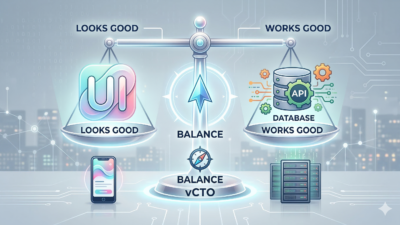
How a VCTO Aligns “Looks Good” with “Works Good”: Full Guide

In 2026, many founders fall into a common trap. Consequently, they focus too much on a beautiful interface but ignore a stable foundation. However, a vcto understands that a great product needs a mix of “Looks Good” and “Works Good.” Therefore, focusing only on the visual layer leads to a product that fails under pressure. This guide explains how technical leadership ensures your product stays powerful and attractive.

Aligning User Experience with Technical Stability

First, you should recognize that a stunning design cannot save a product that crashes. Because users hate slow load times and bugs, a vcto puts performance next to aesthetics. For instance, they ensure that graphics do not slow down the processing speed of your app. Additionally, they help your design team understand what your technology can actually do. As a result, you build a product that delights users without losing speed or safety.

Choosing to work with a vcto also means you have someone to manage technical debt. Moreover, they act as a high-level reviewer to ensure every new feature is built on a solid base. For example, they might suggest simplifying a visual element to keep the app fast on mobile phones. Thus, you gain a product that stays quick even as you add more complex designs.

How a VCTO Aligns "Looks Good" with "Works Good": Full Guide


The Strategy of Functional Beauty

Next, you must consider how your choices affect your long-term business growth. Specifically, a vcto creates a roadmap where every visual update has a strong backend. Because they look at the product from a business perspective, they stop you from wasting money on flashy features. Furthermore, they use automated tests to catch bugs before your customers see them. Similarly, they ensure your data systems are ready to grow as your brand gains more users.

Balancing Speed and Quality

Furthermore, you should look at how fast your team can ship new updates. Since a poorly built system makes even small tweaks hard to finish, a vcto focuses on keeping the code clean. Moreover, they mentor your developers to follow best practices that reduce the need for constant fixes. Consequently, your team can spend more time on new ideas and less time on old mistakes. Therefore, their oversight turns your technology into a major advantage.

Key Ways a vcto Balances Form and Function

To summarize their impact, here are the main ways they assist leadership:

  • Performance Checks: They ensure high-quality code so the product remains fast.

  • Feature Order: They pick “must-have” functions over “nice-to-have” visuals to launch faster.

  • Growth Readiness: They prepare your system to handle thousands of users.

  • Tech Management: They handle technical talk so you do not have to learn jargon.

  • Safety Rules: They add security from day one to protect your data.

Conclusion

In conclusion, balancing “Looks Good” with “Works Good” is the secret to a top tech product. By prioritizing a strong foundation, you ensure your product is ready for real success. Moreover, a vcto provides the expert guidance needed to align your vision with reality. Therefore, do not settle for a product that only looks nice; invest in leadership that ensures it works well.

Frequently Asked Questions

1 What is the role of a vcto in design?

They ensure that design choices are technically possible and do not hurt the speed of the app.

2 How do I know if my product is only “Looking Good”?

If your app is pretty but slow, buggy, or hard to update, you likely have a technical foundation problem.

3 Can a vcto help with user testing?

Yes, they oversee the technical side of testing to see how the system handles real usage.

4 How long does a vcto stay with a company?

Many partnerships last for at least six months to make a real impact on the infrastructure.

5 Is a vcto involved in hiring designers?

They often help with hiring to ensure the designers know how to work with engineers.


Read More:

How to pick between a Virtual CTO and an In-House partner?

How a Virtual CTO stops your tech from failing today?

Does your new vcto keep Version 1 from breaking?