Speed matters in today’s market. Startups and growing companies need to launch products fast. However, rushing often leads to technical debt and costly mistakes. This is where a vCTO can help. A vCTO, or virtual chief technology officer, brings senior technical leadership without a full-time hire. This role helps businesses move fast while still building quality products.
In this article, we will explore how a vCTO accelerates time-to-market. We will also look at why speed and quality do not have to compete with each other. By the end, you will understand whether a vCTO fits your growth plans.
What Is a vCTO and Why Companies Need One
A vCTO is an experienced technology leader who works with a company on a part-time or contract basis. Unlike a full-time CTO, a vCTO offers flexibility. Companies get senior expertise without the cost of a full executive salary.
Many startups face a common problem. They have a great product idea but lack strong technical leadership. Founders may not have deep technical backgrounds. Meanwhile, hiring a full-time CTO can be expensive and slow. A vCTO fills this gap quickly.
Additionally, a vCTO brings outside experience. They have likely faced similar challenges at other companies. This experience helps avoid common mistakes early. As a result, businesses save time that would otherwise go toward trial and error.
Growing companies also benefit from a vCTO during scaling. As user numbers grow, technical systems often need major changes. A vCTO can guide this transition smoothly. This reduces the risk of downtime or performance issues during critical growth periods.
A vCTO also acts as a bridge between technical and non-technical teams. Founders and investors often need clear explanations of technical progress. A vCTO translates complex engineering topics into simple, understandable updates. This improves communication across the entire organization.
Flexibility is another advantage worth noting. Companies can scale a vCTO’s involvement up or down based on need. During a major product launch, a vCTO might work closely with the team every day. Once things stabilize, that involvement can shift to a few hours per week.

Faster Decision-Making Without Sacrificing Quality
One key way a vCTO speeds up time-to-market is through faster decision-making. Technical decisions often get delayed when no one has clear authority. A vCTO removes this bottleneck by owning technical direction.
For example, choosing the right technology stack can take weeks without expert guidance. A vCTO can make this decision quickly, based on experience. This decision considers scalability, team skills, and long-term maintenance costs. Fast, informed decisions keep projects moving forward.
Moreover, a vCTO helps prioritize features effectively. Not every feature needs to launch on day one. A skilled vCTO identifies what truly matters for a minimum viable product. This focus prevents teams from wasting time on non-essential features.
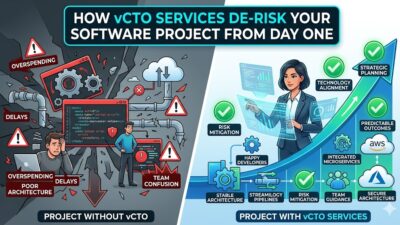
Quality does not disappear in this process. Instead, a vCTO builds quality checks into the workflow from the start. Code reviews, testing standards, and security practices get established early. This means speed comes from smart planning, not from skipping important steps.
Similarly, a vCTO helps teams avoid common technical traps. Rushed decisions often create shortcuts that cause problems later. An experienced vCTO knows which shortcuts are safe and which ones create long-term risk. This judgment protects both speed and product quality.
Vendor selection is another area where a vCTO adds speed. Choosing cloud providers, third-party tools, or software licenses can take founders weeks of research. A vCTO already knows the market and can make these choices confidently. This alone can shave significant time off a project timeline.
Furthermore, a vCTO helps manage outsourced development teams effectively. Many startups rely on freelance developers or agencies. Without technical oversight, this arrangement can lead to inconsistent code quality. A vCTO sets clear standards and reviews work regularly, keeping outsourced teams accountable.
Building Scalable Systems from Day One
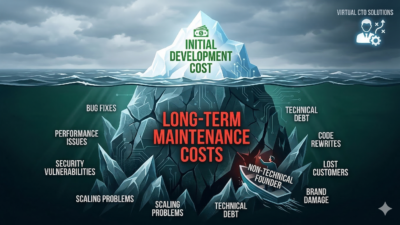
A major challenge for growing companies is technical debt. Quick fixes today can become expensive problems tomorrow. A vCTO helps prevent this by designing systems that scale from the beginning.
For instance, a poorly designed database structure might work fine with a hundred users. However, it can collapse under the weight of a hundred thousand users. A vCTO anticipates this growth and builds systems that handle it. This proactive approach avoids expensive rebuilds later.
Additionally, a vCTO establishes strong development practices. This includes automated testing, continuous integration, and clear documentation. These practices might seem to slow things down initially. However, they actually speed up long-term development by reducing bugs and confusion.
Team structure also matters here. A vCTO often helps define clear roles and responsibilities within the engineering team. This clarity reduces miscommunication and duplicated work. Consequently, the team moves faster because everyone knows exactly what they are responsible for.
Security is another area a vCTO addresses early. Ignoring security to save time often backfires. Data breaches or system failures can destroy customer trust overnight. A vCTO builds security practices into the process, protecting the business from these risks.
Infrastructure choices also matter for scalability. A vCTO evaluates whether cloud services, hosting providers, and system architecture can handle future growth. Making the right choice early prevents painful migrations later, when the stakes and costs are much higher.
Documentation is often overlooked, but a vCTO treats it as a priority. Clear documentation helps new developers onboard quickly. It also protects the company if a key engineer leaves unexpectedly. This small investment saves significant time and stress down the road.
Measuring Success: Speed, Quality, and Cost
A good vCTO tracks specific metrics to measure success. Time-to-market is one obvious metric. However, quality metrics matter just as much. These include bug rates, system uptime, and customer satisfaction scores.
Cost efficiency is another important measure. A vCTO helps companies avoid overspending on unnecessary tools or unnecessary hires. Instead, resources go toward what truly drives growth. This balanced approach creates sustainable, long-term success.
Communication also plays a role in measuring success. A vCTO regularly reports progress to founders and stakeholders. This transparency builds trust and helps non-technical leaders understand technical decisions. As a result, the entire company stays aligned on priorities and goals.
Ultimately, the goal is sustainable speed. Launching fast only matters if the product actually works well. A vCTO ensures that speed and quality grow together, rather than one coming at the expense of the other. This balance often determines whether a product succeeds long-term or struggles after launch.
Regular check-ins help keep this balance on track. A vCTO often holds weekly or biweekly reviews with leadership. These sessions cover progress, risks, and upcoming priorities. This steady rhythm keeps everyone informed and prevents small issues from becoming major setbacks.
Conclusion
A vCTO offers a practical solution for companies that need strong technical leadership without a full-time commitment. By making faster decisions, building scalable systems, and maintaining quality standards, a vCTO helps businesses accelerate time-to-market the right way.
Cutting corners might seem faster in the short term. However, it often creates bigger problems down the road. A vCTO helps companies avoid this trap by combining speed with smart, experienced judgment.
If your company is racing to launch but worried about quality, a vCTO might be exactly what you need. The right technical leadership can make all the difference between a rushed launch and a successful one.
Frequently Asked Questions
1. What does a vCTO actually do for a company?
A vCTO provides senior technical leadership on a part-time basis. They guide technology decisions, manage engineering teams, and help scale systems safely.
2. How does a vCTO speed up time-to-market?
A vCTO speeds up development by making fast, informed technical decisions, prioritizing essential features, and removing bottlenecks in the development process.
3. Is a vCTO only useful for startups?
No. Growing companies of many sizes use a vCTO, especially during scaling, product launches, or when they lack in-house technical leadership.
4. Does working with a vCTO mean sacrificing code quality for speed?
No. A good vCTO builds quality checks, testing, and security practices into the workflow from the start, so speed does not come at the cost of quality.
5. How much does hiring a vCTO typically cost compared to a full-time CTO?
A vCTO usually costs significantly less than a full-time CTO because companies pay for part-time or contract hours rather than a full executive salary.