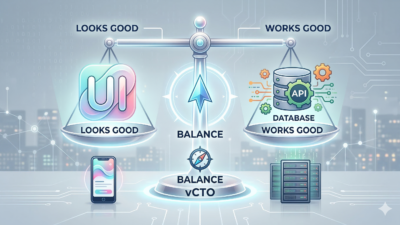
For a non-technical founder, building a software product can feel like navigating a maze without a map. Consequently, a Virtual CTO acts as your primary navigator, turning a vague business idea into a functional and scalable digital asset. Furthermore, they protect your capital by ensuring you do not overspend on unnecessary features or the wrong developers. Therefore, this guide explores how these leaders help founders overcome the specific hurdles of launching a tech venture.
Defining a Minimum Viable Product (MVP) Without Waste
First, you should realize that most non-technical founders try to build too much too soon. Because of this common mistake, a Virtual CTO focuses your energy on defining a Minimum Viable Product that solves a core problem for your users. For instance, they identify which features are essential for a launch and which can wait for future updates. Additionally, they help you choose a technology stack that is cost-effective today but powerful enough for tomorrow. As a result, you avoid wasting your initial budget on “bloatware” that users might not even want.
Choosing to work with a Virtual CTO also means you have someone to manage the technical talent you hire. Moreover, they act as a high-level interviewer to ensure you are not fooled by developers who talk a big game but lack actual skill. For example, they can conduct deep technical reviews of a freelancer’s past work or an agency’s portfolio. Thus, you gain the peace of mind that your product is being built by qualified hands. In addition, they establish clear coding standards so that any new developer can step in and understand the work immediately.

Protecting Your Intellectual Property and Data
Next, you must consider the security and legal aspects of building a digital product. Specifically, a Virtual CTO ensures that your company actually owns the code your developers write. Because many founders forget to sign the right IP transfer agreements, they often run into legal trouble when they try to raise money later. Furthermore, they implement security best practices from day one to protect user data from potential breaches. For example, they might set up encrypted databases or multi-factor authentication for your staff. Similarly, they ensure your infrastructure complies with global standards like GDPR or SOC2.
Strategic Scaling and Investor Readiness
Furthermore, you should look ahead to the moment your product starts gaining hundreds or thousands of users. Since sudden growth can crash a poorly built system, a Virtual CTO prepares your architecture to handle high traffic spikes. Moreover, they manage your cloud costs so that your server bills do not explode as your user base grows. As a result, your business stays profitable even as it scales. Therefore, their strategic oversight prevents “technical debt” from becoming a silent killer of your startup.
Finally, when you are ready to pitch to venture capitalists, having a Virtual CTO on your team adds immense credibility. Specifically, they can answer the deep technical questions that investors ask during the due diligence process. Because they have a long-term roadmap in place, they can prove that your tech is built on a solid foundation. For instance, they can show how the platform will evolve over the next three years to stay ahead of competitors. Consequently, you are much more likely to secure the funding needed to reach the next level of growth.
Five Key Ways a Virtual CTO Supports Founders
To summarize their impact, here are the most important ways they assist non-technical leadership:
-
Feature Prioritization: They distinguish between “must-have” and “nice-to-have” features to speed up your time to market.
-
Vendor Management: They handle communication with agencies or freelancers so you do not have to learn technical jargon.
-
Quality Assurance: They perform regular code audits to ensure the product is stable and bug-free before users see it.
-
Cost Optimization: They select the right tools and servers to keep your monthly overhead as low as possible.
-
Technical Vision: They align every line of code with your long-term business objectives and profit goals.
Conclusion
In conclusion, a Virtual CTO is the most valuable partner a non-technical founder can have during the early stages of a startup. By providing high-level guidance, managing talent, and protecting your data, they allow you to focus on marketing and sales. Moreover, they ensure that the product you build today is ready for the challenges of tomorrow. Therefore, investing in strategic technical leadership is not an expense but a safeguard for your entire business journey.
Frequently Asked Questions
1 Can a Virtual CTO help me hire a permanent technical team?
Yes, they often lead the transition from a virtual model to a full-time in-house team by identifying and onboarding your first permanent engineers.
2 What is the first thing a Virtual CTO does after joining?
Typically, they start with a deep audit of your current plans or code to identify immediate risks and opportunities for improvement.
3 How does a Virtual CTO handle communication with non-tech founders?
A great vCTO translates complex engineering issues into business risks and financial impacts so you can make confident decisions.
4 Will a Virtual CTO write the actual code for my product?
Generally, no. Their role is strategic leadership and management, though they may review code to ensure it meets high-quality standards.
5 Is a Virtual CTO expensive for a bootstrapping founder?
Because they work on a part-time or project basis, they are significantly more affordable than a full-time executive while providing the same level of expertise.
Read More:
How to choose the right Virtual CTO service provider?