Refresh loader

Archive : Digital Transformation

Home > Posts tagged Digital Transformation

How to choose the right Virtual CTO service provider?

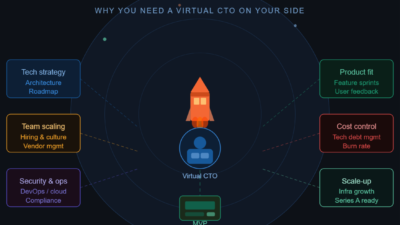
Choosing the right Virtual CTO (vCTO) service provider is a pivotal decision that directly influences your long-term success. Consequently, you must approach this selection process with a high level of strategic thinking to ensure your technology scales at the same pace as your business. Furthermore, selecting the wrong partner can lead to expensive technical debt that eventually slows your growth. Therefore, this comprehensive guide will help you identify the best leadership for your technical team.

Understand Your Specific Technology Needs

First, you should identify the exact type of help your company requires at this current stage. Because every business is unique, vCTO providers often specialize in very different areas of organizational growth. For instance, some focus exclusively on early-stage startups that need a basic prototype. Meanwhile, other providers help mature companies that need to scale their existing infrastructure. Additionally, you might need someone to fix a messy codebase or someone to build a new product from scratch. As a result, knowing your specific goals will help you filter through many options quickly and efficiently.

Choosing the right Virtual CTO service provider involves looking for deep technical expertise and leadership. Moreover, a great provider must understand your specific industry and its unique regulatory challenges. For example, a fintech company has very different security needs than a simple retail shop or a lifestyle blog. Thus, you should ask for specific examples of how they have solved similar problems in the past. In addition, ensure they are comfortable with the latest AI tools, cloud platforms, and cybersecurity protocols.

How to choose the right Virtual CTO service provider?

Evaluate Communication and Strategic Alignment

Next, you must test how well the provider communicates complex ideas to non-technical stakeholders. Specifically, a Virtual CTO acts as a vital bridge between your business goals and your engineering team. Because of this role, they must be able to explain technical risks and opportunities in plain English. For example, if they only use technical jargon, you might struggle to make informed decisions about your budget. Similarly, they should be proactive in suggesting new ways to save money or increase operational efficiency.

Furthermore, you should check their availability and how they fit into your unique company culture. Since they will be a part of your executive leadership team, they need to be available when big decisions happen. However, most vCTOs work with multiple clients simultaneously, so you must define clear expectations for their time and focus. Consequently, a 30-day trial period is often the best way to see if the partnership actually works. Finally, always check their professional references to see how they handled high-pressure situations in previous roles.

Developing a Robust Technical Roadmap

A primary benefit of hiring a Virtual CTO is the creation of a clear and actionable technical roadmap. Specifically, this roadmap should align with your business milestones for the next twelve to twenty-four months. Because technology changes rapidly, your roadmap must be flexible enough to adapt to new market trends. For instance, your vCTO should help you decide when to migrate to a new server or when to integrate new software. Additionally, they should provide cost estimates for every major phase of development. Consequently, you will have a much clearer picture of your future financial requirements.

Furthermore, a great vCTO will help you build a culture of technical excellence within your internal team. Since they are seasoned leaders, they can mentor your junior developers and help them improve their coding standards. Moreover, they can establish better workflows, such as automated testing and continuous integration. As a result, your team will become more productive and produce higher-quality work over time. Therefore, the right provider does not just give advice but also elevates the skills of everyone around them.

Checklist for Selecting Your Virtual CTO

To make the process easier, you can use a simple checklist to compare different providers side by side. Each provider should meet these basic standards before you consider signing a long-term contract.

Selection Step What to Check? Why it Matters?
Industry Experience Do they understand your market? Prevents industry-specific errors.
Technical Skills Are they experts in your stack? Ensures high-quality code and architecture.
Communication Can they explain tech simply? Keeps stakeholders informed and aligned.
Availability Will they be there when needed? Prevents delays in critical decision-making.
Strategy Do they care about your growth? Aligns technology with business profit.

Conclusion and Best Practices

In conclusion, finding the right Virtual CTO service provider requires careful research and clear communication. By following these steps, you can find a partner who helps you build a strong and scalable technical foundation. Moreover, a great vCTO will save you significant time and money in the long run by avoiding common mistakes. Therefore, do not rush the process and always prioritize strategic alignment over flashy technical buzzwords. A successful partnership will turn your technology from a source of stress into a powerful engine for business growth.

Frequently Asked Questions

1 What does a Virtual CTO actually do for my business?

A Virtual CTO provides high-level technical leadership without the high cost of a full-time executive. Specifically, they handle long-term strategy, technical hiring, and complex technology roadmaps.

2 Is a Virtual CTO better than hiring a full-time CTO?

It depends on your current stage of growth and your available budget. For example, early-stage startups often prefer vCTOs because they are more cost-effective and offer greater flexibility.

3 How do I know if I truly need a Virtual CTO?

You likely need one if your developers lack clear direction or if you are struggling to make big technical decisions. Consequently, they provide the missing senior-level guidance your team needs.

4 What is the typical length of a Virtual CTO contract?

Many contracts are month-to-month to allow for flexibility, but most successful partnerships last for at least six months. Thus, it gives them enough time to make a real impact on your infrastructure.

5 Can a Virtual CTO help with my annual security audits?

Yes, they often oversee all security protocols and ensure your company stays compliant with modern industry standards. This reduces your risk of data breaches and legal issues.


Read More:

How to pick between a Virtual CTO and an In-House partner?

How a Virtual CTO stops your tech from failing today?

Does your new vcto keep Version 1 from breaking?

How Did Google Chat Evolve for Teams: Full Guide

Google Chat has changed a lot. It has moved from simple chats to powerful tools. These tools help teams work better. This change is big for business productivity. Google Chat is now more than just a chat app. It helps teams of all sizes work together. This story will look at how Google Chat has grown. It will show its new features. It will explain how these help make ‘super teams’ in any company.

The Early Days: Simple Chat and Basic Teamwork

Google Chat began as a part of Google Workspace. Before, it was Google Hangouts Chat. Its main job was simple. It let people send messages to each other. Users could chat one-on-one. They could also chat in small groups. The first goal was quick talk. It was good for fast questions. It helped teams share simple updates.

At that time, features were basic. You could send text and could share files. You could start a video call. This was fine for many teams. But as work changed, teams needed more. They needed deeper ways to work together and needed tools to manage projects. They needed better ways to share info. Google Chat had to grow. It had to meet these new needs. It had to help businesses do more.

Image Of The Evolution of Google Chat for Business Productivity

The Rise of “Spaces”: Organized Work Hubs

The biggest step in Google Chat’s growth was “Spaces.” Google renamed the feature from “Rooms” to “Spaces.” This change was more than just a new name. It showed a new way of thinking. Spaces became central hubs for teamwork. They were not just for chat but for working on projects which helped manage tasks and let teams share files easily.

A Space is like a project room. All things related to a project go there. This includes talks, files, and tasks. Think of a Space for a marketing project. All talks about ads, images and videos are there. All tasks like “design new banner” are listed there. This makes work much more organized. It helps teams stay on track. This design helps cut down on many emails. It stops endless group chats. It puts all key info in one spot. This boosts teamwork a lot.

Smart Features for Better Productivity

Google Chat did not stop at Spaces. It added many smart features. These features help teams do more. They make daily work easier.

  • Integrated Task Management: Tasks are now part of Spaces. You can create a task and assign it to a team member. You can set a due date and can track its progress. All team members can see these tasks. This helps keep everyone aligned. It makes sure no task is forgotten.
  • Enhanced File Sharing and Collaboration: Google Chat connects deeply with Google Drive. You can share documents, sheets, and slides easily. Team members can open files right from Chat. They can work on them together. They can even see file updates in the Space. This smooth flow saves time. It makes working on documents much easier.
  • Smart Replies and Suggestions: The app uses AI to help. It suggests quick replies. This saves time when you are busy. It also suggests useful actions. For example, it might suggest “create a task” based on your chat. These small helps add up. They make work faster.
  • Powerful Search: Finding old info in chats can be hard. Google Chat has strong search tools. You can find messages, files, and tasks fast. You can search across all your Spaces. This means no more digging through old emails. All info is at your fingertips.

From Teams to “Super Teams”: The Evolution in Action

The goal of these changes is clear. It is to turn regular teams into “super teams.” A super team works very well together which is highly productive. It gets things done fast. Google Chat helps make this happen in several ways:

  • Improved Clarity and Focus: Spaces keep work topics separate. This means less noise. Team members can focus on one project at a time. They do not get lost in too many chats.
  • Better Project Management: With tasks and files in one place, project tracking is simple. Managers can see progress. Team members know their roles. This leads to projects finishing on time.
  • Faster Decision Making: All info is easy to find. Team members can quickly talk and share ideas. This speeds up choices. It helps avoid delays.
  • Enhanced Team Cohesion: A shared Space builds a sense of team. Everyone works towards the same goal. They share wins. This makes the team feel stronger. It makes them work better together.
  • Integration with Other Tools: Google Chat works well with other apps. It connects with apps inside and outside Google Workspace. This means you can add tools your team already uses. This makes it a central hub for all work.

Security and Control for Business Use

For businesses, security is key. Google Chat offers strong security features. This helps protect sensitive company data.

  • Data Encryption: All messages and files are encrypted. This keeps info safe from bad actors.
  • Admin Controls: IT admins have full control. They can manage who joins Spaces and can set rules for data sharing. They can track usage. This ensures data compliance. It meets company policies.
  • Retention Policies: Businesses can set rules for how long data is kept. This helps meet legal needs. It keeps company records safe.

These security features mean businesses can trust Google Chat. They can use it for all kinds of team work. They know their data is protected.

The Future of Google Chat

Google Chat will keep growing. We can expect even more smart features. It will likely get deeper links with AI. It might offer more ways to automate tasks. The focus will stay on helping teams. It will aim to make them more productive. It will help them achieve more.

Google Chat is not just a messaging app. It is a full platform for teamwork which helps turn any group of people into a powerful, efficient “super team.” For businesses, this means better results and happier teams. It means reaching goals faster.


FAQs

1. How has Google Chat changed from its early days?

Google Chat started as a simple messaging app. It was mostly for quick talks. Now, it has grown into a full teamwork platform. It includes features for tasks, files, and project management, mainly through “Spaces.”

2. What are “Spaces” in Google Chat, and why are they important?

“Spaces” are central hubs for team projects. They bring together conversations, files, and tasks for a specific topic or project. They are important because they organize work, reduce email clutter, and improve team focus.

3. How does Google Chat help with task management?

Google Chat lets users create, assign, and track tasks directly within a Space. You can set due dates and see progress. This feature helps teams manage project workflows and ensures everyone knows what needs to be done.

4. Can Google Chat integrate with other business tools?

Yes, Google Chat connects deeply with Google Drive for file sharing. It also works well with other apps inside and outside Google Workspace. This makes it a central tool for managing different aspects of business work.

5. What security features does Google Chat offer for businesses?

Google Chat includes strong security features. These include data encryption for messages and files. It offers admin controls for managing users and data rules. It also has data retention policies to meet legal and company needs.

Also Read: The Zero Trust Shift: Securing Hybrid Work with ZTNA

Microsoft 365 Copilot: Complete Guide (2025)

Microsoft 365 Copilot

AI-Powered Microsoft 365 Copilot: A New Era of Productivity

The world of work is always changing. Consequently, the tools we use must keep up. In a world where efficiency is key, Microsoft has introduced an amazing AI assistant. It’s called Microsoft 365 Copilot. This tool is no longer a futuristic idea. In fact, it’s a real benefit for businesses of all sizes.

So, how does Copilot truly work? What does it mean for your daily work?

What Exactly is Microsoft 365 Copilot?

Basically, Microsoft 365 Copilot is a smart AI tool. It works with you across the Microsoft 365 suite. It is built on a large language model (LLM). Its true power comes from its link to the Microsoft Graph. This unique connection lets it access and understand your personal data. For instance, it can read your emails, calendar events, and chat history. Therefore, it is more than just a general AI. It is an AI that understands your specific work.

Essentially, Microsoft 365 Copilot is a productivity engine. It can create text, summarize info, and make presentations. It also analyzes data. All you need to do is use natural language commands. For example, instead of searching through old documents, you can simply ask Copilot to find a key detail for you. This saves your mental energy. You can then focus on strategic thinking, creative problem-solving, and human connections. After all, these are the unique skills AI can’t copy.

How Microsoft 365 Copilot Works Across Key Applications

The real strength of Microsoft 365 Copilot is its seamless integration. It works across the apps you use every single day. Because it’s not a separate product, it can assist you at every step of your workday.

1. AI Assistance in Microsoft Word

The blank page can be intimidating. However, with Copilot, that feeling is gone. For example, you can give it a simple instruction. “Draft a 10-page business plan for a new marketing campaign,” you might say. Copilot will then create a full first draft. It pulls facts and insights from your documents. Furthermore, it can help you improve your writing. It can summarize long documents or rewrite paragraphs. In addition, it can even translate text into another language.

2. AI Assistance in Microsoft Excel

The days of complex formulas are ending. This is where Microsoft 365 Copilot really stands out. A task that once needed advanced skills is now a simple conversation. For instance, you can ask, “Show me the top products by region in a pivot chart.” Copilot will build it instantly. Likewise, it can find trends and identify unusual data. Ultimately, it can even provide written explanations of your data. This makes complex spreadsheets easy for everyone to understand.

3. AI Assistance in Microsoft Teams

Meetings can waste a lot of time. Luckily, Microsoft 365 Copilot changes this completely. During a meeting, it can summarize the main points. It also lists action items in real-time. If a team member misses a meeting, they can just ask Copilot for a summary. They will get a detailed and accurate report. Consequently, nobody ever has to feel left out of a conversation again.

4. AI Assistance in Microsoft Outlook

Managing your inbox can be a full-time job. With Microsoft 365 Copilot, it becomes much easier. First, it can summarize long email chains. This helps you get the main idea in a few seconds. In addition, it helps you write professional emails. It gives suggestions for tone and content. This saves you from staring at a blank screen for a long time. Therefore, you can focus on the most important messages without feeling overwhelmed.

Real-Life Business Applications for Microsoft 365 Copilot

Beyond the individual user, Microsoft 365 Copilot changes how entire business departments work.

  • For Marketing and Sales: Use it to quickly write blog posts. It can also analyze customer feedback from surveys. It can even summarize long market research reports to find key details. This helps marketing teams be more flexible and data-driven.
  • For Human Resources: You can speed up the creation of training materials. It can also draft new company policies. Furthermore, it can summarize employee surveys to find key trends.
  • For Project Management: With Copilot, you can quickly create project plans. It can also track progress by summarizing team updates. Ultimately, it can generate status reports for stakeholders with one command. This greatly reduces the busywork of managing a project.

The Strategic Edge: Why Microsoft 365 Copilot is a Game-Changer for SMEs

For small and medium-sized businesses (SMEs), Microsoft 365 Copilot is a huge advantage. In the past, large companies had the budget to hire dedicated experts. Now, SMEs can get similar abilities without the high cost.

Microsoft 365 Copilot helps a small team act like a much bigger one. It allows them to achieve the same level of productivity as a large company. Consequently, SMEs can compete more effectively. They can spend more time on customer relationships and innovation. Ultimately, this lets small businesses focus on what they do best. The AI handles the hard work for them.

Microsoft 365 Copilot vs. Traditional Productivity Tools

The main difference between Copilot and old tools is the shift from passive to proactive. A regular word processor is just a tool; you have to do all the work. On the other hand, Copilot gives you a first draft, a summary, or data analysis. This saves you many hours of manual work.

A traditional spell-checker corrects your typos. In contrast, Copilot can rewrite a whole paragraph to make it clearer. You might manually create a chart in Excel. However, Copilot can understand your goal and build the chart for you. It intelligently suggests the best way to show your data.

Ensuring Security and Compliance with Microsoft 365 Copilot

Data security is a major concern with AI. Luckily, Microsoft built Microsoft 365 Copilot with top-level security. It works within your existing Microsoft 365 security system.

Your data remains your property. Copilot does not use your data to train its models for others. Furthermore, Microsoft 365 Copilot respects your data permissions. It can only see the information you have permission to access. This protects sensitive data. You can use the power of AI without risking your company’s security.

Getting Started with Microsoft 365 Copilot Today

The future of work is not far away; it is here now. Microsoft 365 Copilot shows how AI can help people, not replace them. By automating daily tasks and assisting with complex ones, it helps people and businesses unlock new levels of productivity.


Frequently Asked Questions (FAQS) 


1. What is the main difference between Microsoft 365 Copilot and other AI tools?

Copilot is an AI assistant built directly into your Microsoft 365 apps. It uses your own work data to provide personalized help, while other tools like ChatGPT are general-purpose chatbots.

2. Is Microsoft 365 Copilot secure and private?

Yes. It operates within your company’s existing Microsoft 365 security. Your data is not used to train the AI model for others.

3. What specific tasks can Copilot help me with?

It can draft emails in Outlook, summarize documents in Word, analyze data in Excel, and create meeting summaries and action items in Teams.

4. How can my business get started with Microsoft 365 Copilot?

You need to have a qualifying Microsoft 365 subscription. Copilot is then available as an add-on license for each user in your business.

5. How does Copilot get context from my work?

It connects to the Microsoft Graph, which maps the relationships between your documents, emails, and chats. This allows it to understand your work and give relevant answers.

Also Read: Updates in Google Workspace: September 2025